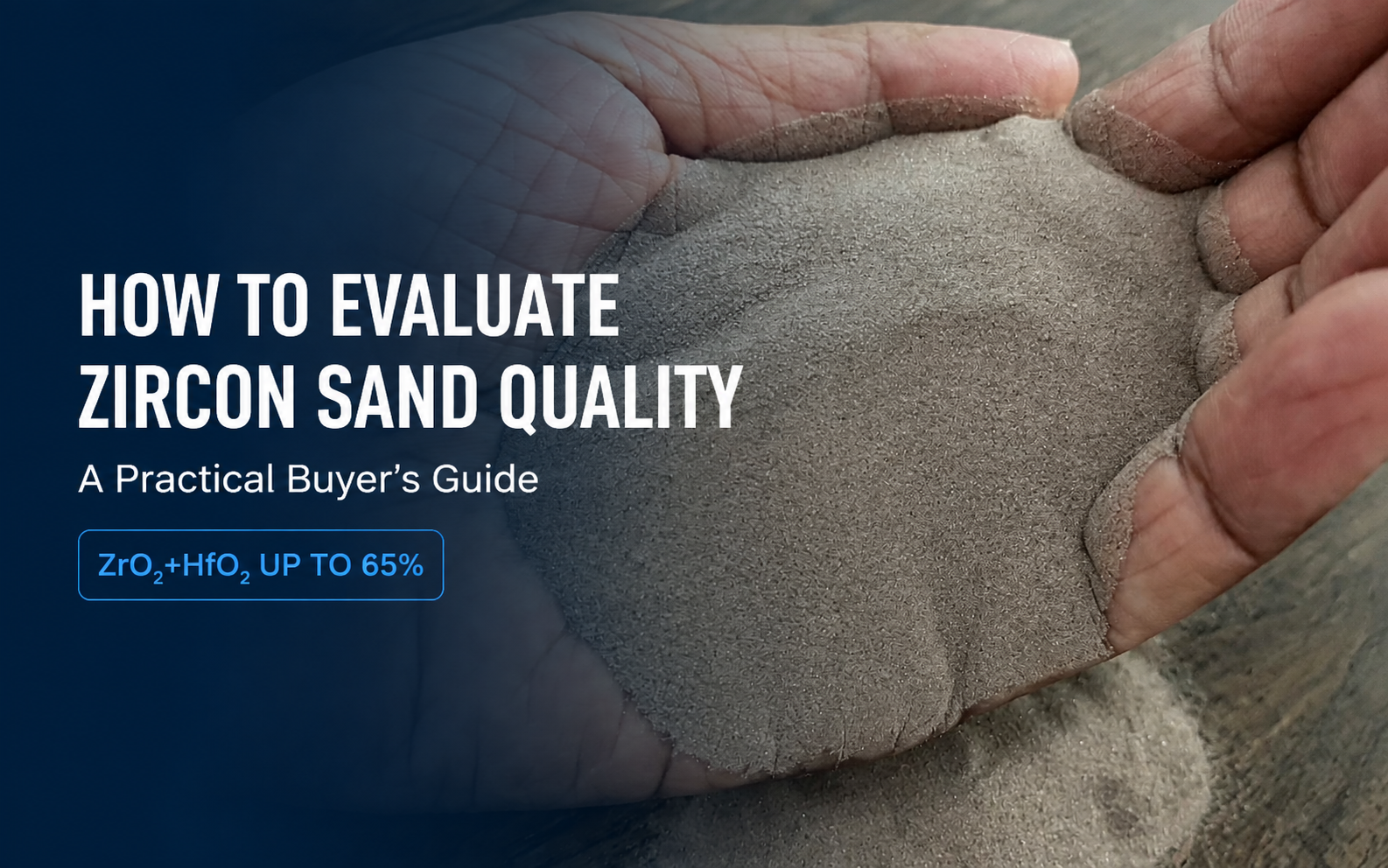
How to Choose Rutile Sand for Welding Electrode Manufacturing: 7 Key Factors
How to Choose Rutile Sand for Welding Electrode Manufacturing: 7 Key Factors
Choosing the right rutile sand is one of the most important decisions for welding electrode manufacturers. The quality of rutile sand directly affects coating performance, arc stability, slag detachability, and the overall welding quality.
With many suppliers available worldwide, buyers should evaluate more than just price. Below are seven key factors to consider before purchasing rutile sand.
1. TiO₂ Content
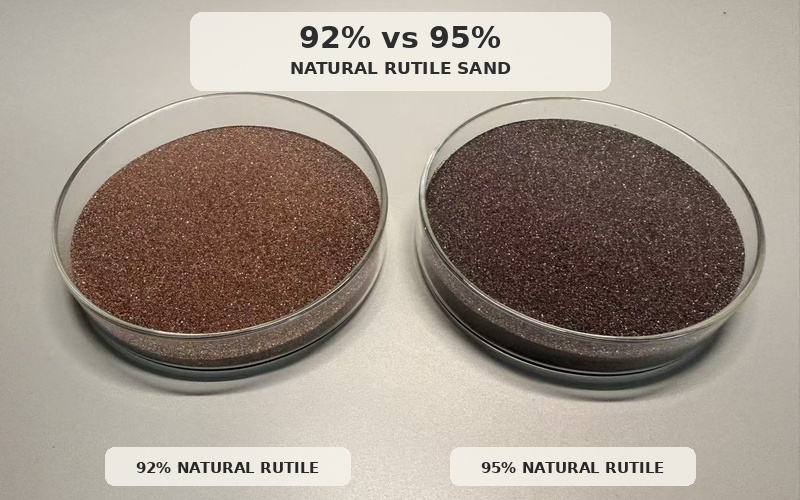
The titanium dioxide (TiO₂) content is the primary indicator of rutile sand quality.
For most welding electrode manufacturers, rutile sand with a TiO₂ content of around 95% offers stable performance and consistent production results.
Lower TiO₂ content may reduce welding performance and increase impurities in the coating.
2. Silica (SiO₂) Level
Silica content has a significant influence on welding performance.
Low silica rutile sand generally provides:
Better arc stability
Easier slag removal
Improved bead appearance
More consistent coating quality
Many manufacturers prefer low-silica grades for premium welding electrodes.
3. Particle Size Distribution
Uniform particle size helps achieve stable coating extrusion and smooth mixing.
For welding electrode production, manufacturers commonly require:
60 Mesh
80 Mesh
Customized particle size according to production requirements
Consistent particle size also helps reduce dust generation during processing.
4. Stable Chemical Composition
Every shipment should maintain consistent chemical composition.
Reliable suppliers provide detailed COA reports for every batch, allowing customers to maintain stable production without frequent formula adjustments.
5. Low Moisture Content
Excessive moisture may affect storage conditions and coating quality.
Proper drying and packaging help maintain product stability during transportation and long-term storage.
6. Reliable Supply Capability
Choosing a supplier with stable raw material sources and sufficient production capacity helps reduce delivery risks.
For international buyers, consistent supply is often as important as product quality.
7. Export Experience and Technical Support
An experienced export supplier can provide:
Professional export documentation
COA and quality reports
Flexible packaging options
Technical communication during cooperation
This reduces purchasing risks and improves long-term cooperation efficiency.
Conclusion
Selecting rutile sand should never be based solely on price. Buyers should carefully evaluate TiO₂ content, silica level, particle size, consistency, supply stability, and supplier experience.
At Hebei Maosheng, we supply high-quality rutile sand for welding electrode manufacturers worldwide. Our products offer stable quality, customized particle sizes, and professional export services to support long-term cooperation.
If you are looking for a reliable rutile sand supplier, please feel free to contact our team for technical information, samples, or a quotation.