What Packaging Options Are Available for Rutile Sand Export?
When purchasing rutile sand from an overseas supplier, buyers usually pay close attention to TiO₂ content, particle size, chemical composition and price. However, packaging is also an important part of the purchasing decision.
Suitable packaging helps protect rutile sand during storage, container loading, ocean transportation and unloading at the customer’s factory. It can also reduce material loss, moisture absorption and handling problems.
For most industrial buyers, rutile sand is shipped in large quantities rather than small retail packages. The most commonly used export packaging is the one-metric-ton jumbo bag. However, different customers may have different requirements depending on their production process, warehouse conditions and unloading equipment.
This article explains the main packaging options available for rutile sand export and the factors buyers should confirm before placing an order.
1. One-Metric-Ton Jumbo Bags
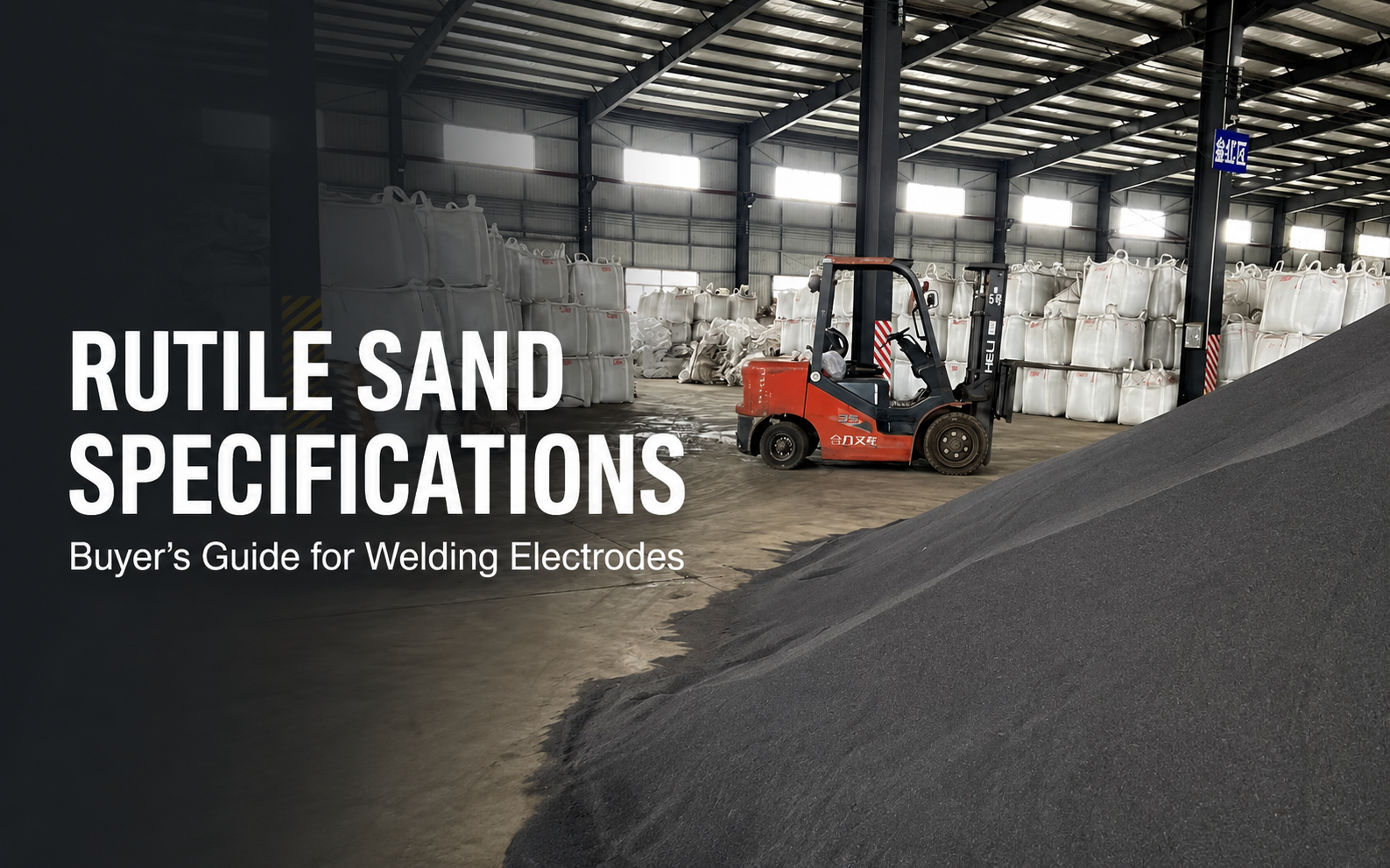
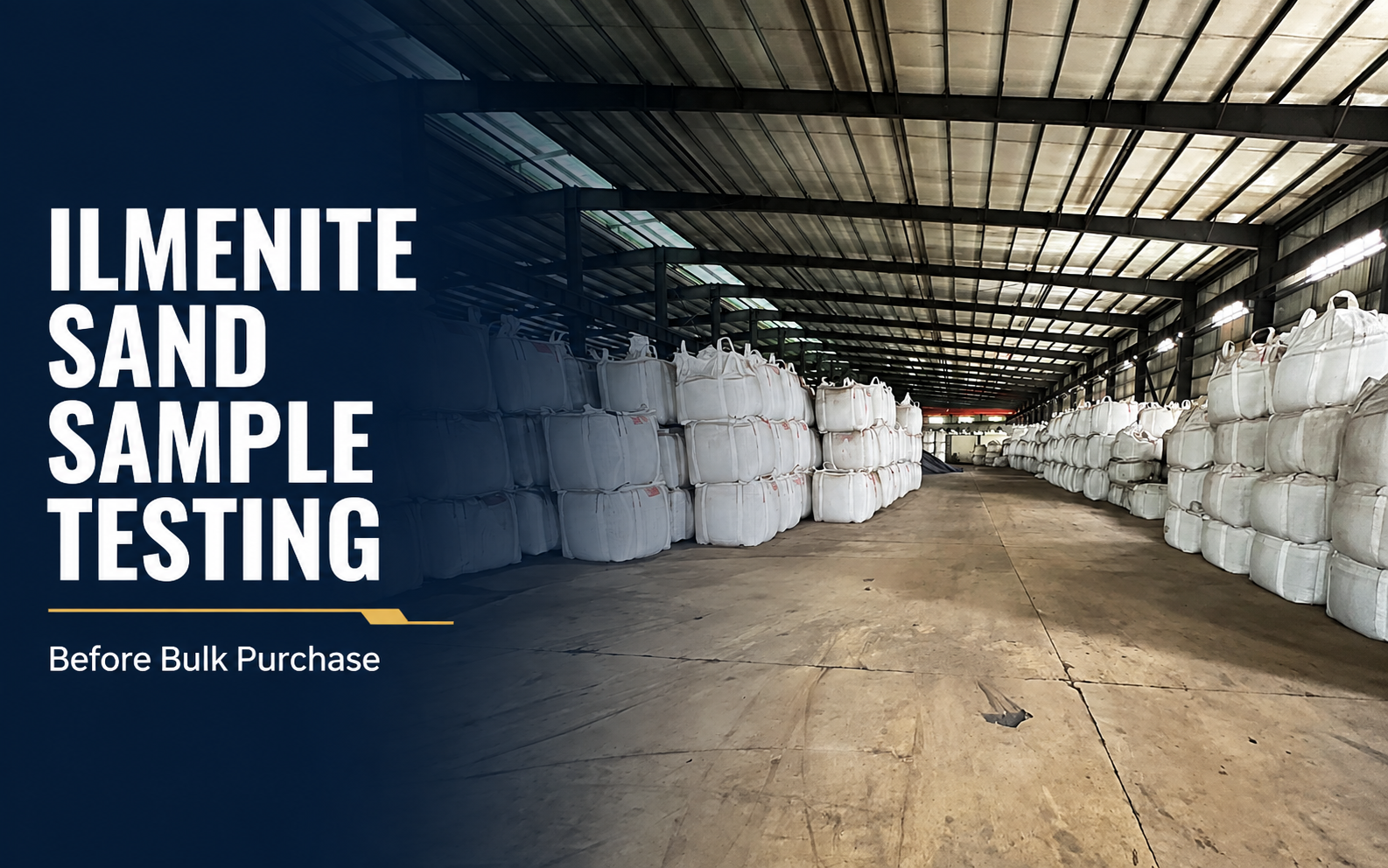
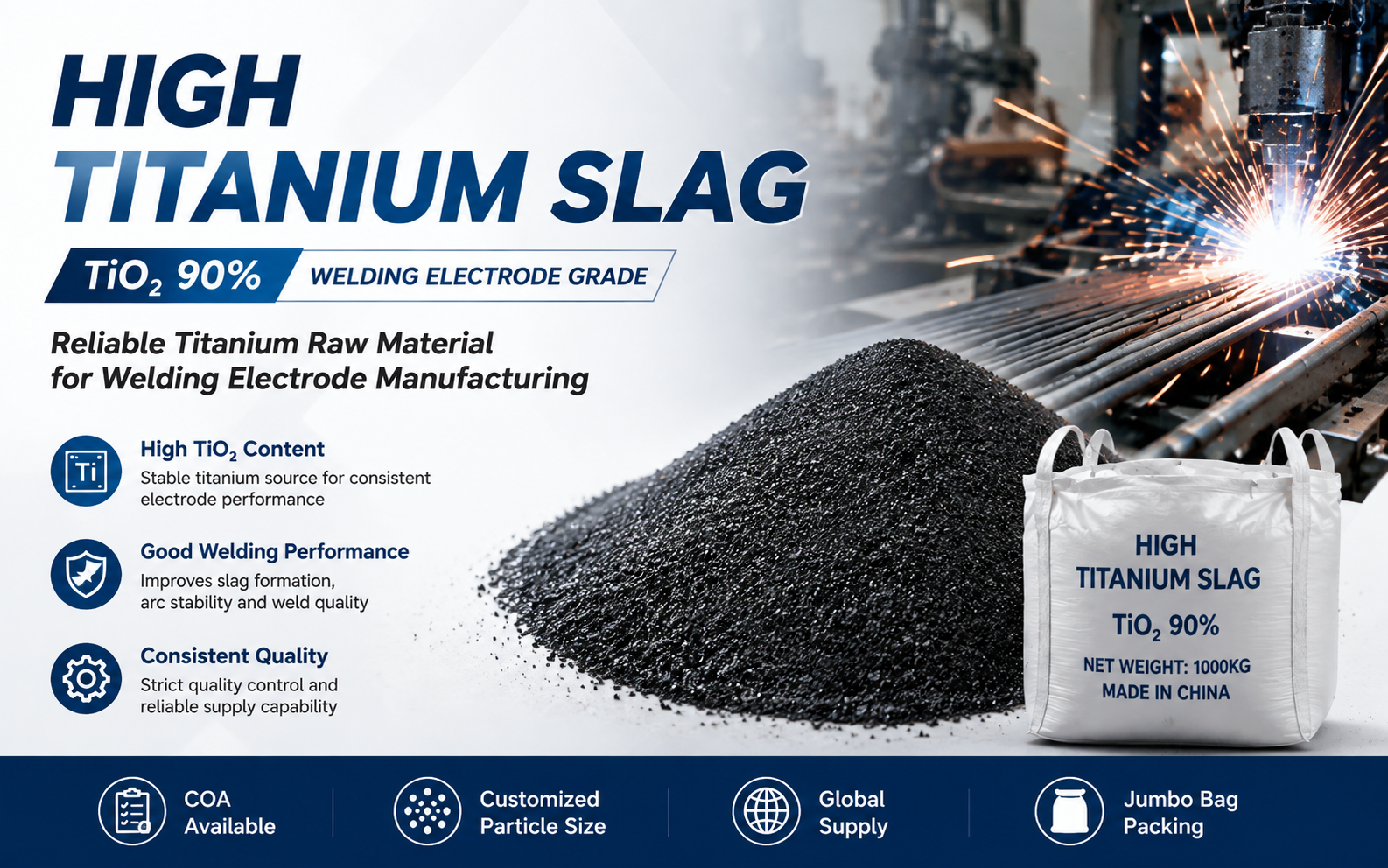
The most common packaging for rutile sand export is the one-metric-ton jumbo bag, also called a bulk bag, FIBC bag or big bag.
A standard jumbo bag normally contains approximately 1,000 kg of rutile sand. It is suitable for container transportation and can be handled by forklift, crane or lifting equipment.
The main advantages of one-ton jumbo bags include:
Efficient loading and unloading
Lower packaging cost compared with small bags
Reduced manual handling
Easier warehouse management
Suitable for industrial-scale production
For welding electrode manufacturers, one-ton jumbo bags are usually a practical choice because rutile sand is often consumed in relatively large quantities.
The bags can be equipped with lifting loops so that workers can unload them by forklift or overhead crane. Depending on the customer’s equipment, the bottom of the bag may also be designed with a discharge spout.
Before confirming the order, the buyer should tell the supplier how the material will be unloaded and transferred into the production line.
2. Inner Liner for Moisture Protection
Rutile sand itself is a mineral material, but excessive moisture can still create problems during transportation and storage.
Moisture may cause:
Material agglomeration
Unstable feeding during production
Difficulty in weighing and mixing
Changes in actual moisture content
Additional drying requirements before use
For this reason, an inner polyethylene liner may be added inside the jumbo bag.
The inner liner provides additional protection against humid air, rainwater and moisture during sea transportation. This is particularly useful when the cargo is shipped during the rainy season or stored for a relatively long period.
For buyers using rutile sand in welding electrode coating, moisture control can be important because raw material consistency may influence the stability of the coating mixture.
However, the use of an inner liner should be confirmed before production because it may slightly increase packaging costs.
3. Small Bags
Some customers prefer smaller bags, such as:
25 kg bags
40 kg bags
50 kg bags
Small bags are easier to handle manually and may be suitable for laboratories, small production lines, pilot orders or customers without forklift equipment.
However, small-bag packaging has several disadvantages for bulk export:
Higher packaging cost
More labor required during loading and unloading
Longer handling time
Greater possibility of bag damage
More packaging waste
Higher risk of individual bags being misplaced
For a full-container order, one-ton jumbo bags are generally more economical.
Small bags are usually more suitable for samples, trial production or customers with special warehouse requirements.
4. Palletized Packaging
Some buyers ask whether rutile sand jumbo bags can be placed on wooden or plastic pallets.
Palletized packaging can make forklift handling easier, especially in warehouses where the bags must be moved frequently. It may also reduce direct contact between the bags and the container floor.
However, pallets occupy additional container space and increase the total packaging cost.
Wooden pallets used in international trade may also need to comply with fumigation or heat-treatment requirements. The required markings and certificates depend on the destination country.
Plastic pallets do not normally require fumigation, but their cost is usually higher.
For many rutile sand shipments, jumbo bags are loaded directly into the container without pallets. This allows better use of container space and reduces the total shipping cost.
The buyer and supplier should confirm pallet requirements before quotation because palletized and non-palletized shipments may have different loading quantities.
5. Container Loading for Rutile Sand
Rutile sand is commonly exported in 20-foot containers because mineral materials are relatively heavy.
A 20-foot container is generally more suitable than a 40-foot container for dense mineral products. The actual loading quantity depends on several factors, including:
Container payload limit
Local road weight restrictions
Shipping line requirements
Port regulations
Packaging weight
Destination-country restrictions
The final loading quantity should be confirmed with the freight forwarder before shipment.
For example, a shipment may contain 20 one-ton jumbo bags, while another order may use a different quantity depending on the customer’s requested tonnage and the permitted container weight.
It is not advisable to assume that every container can carry the same amount. The supplier should check the booking information and weight restrictions for each shipment.
6. How Jumbo Bags Should Be Arranged
Correct placement of jumbo bags inside the container is important.
The bags should be arranged evenly to maintain weight balance and reduce movement during transportation. The loading team should also check the container floor, side walls and door area before loading.
Special attention should be paid to:
Sharp metal edges
Broken wooden flooring
Protruding nails
Damaged container walls
Uneven bag placement
Excessive pressure near the container doors
If a jumbo bag comes into contact with a sharp surface, it may be damaged during road, rail or ocean transportation.
For safer loading, the supplier may use protective materials at vulnerable positions. The bags should also be placed carefully to prevent excessive squeezing.
A loading inspection and photographic record can help confirm that the cargo was packed and loaded correctly before the container was sealed.
7. Bag Marking and Shipping Marks
Each jumbo bag should carry clear identification information.
Common bag markings may include:
Product name
Grade
Net weight
Batch number
Country of origin
Supplier name
Contract number
Shipping mark
Production or packing date
For example, the bag may be marked as:
Natural Rutile Sand 95% TiO₂
Net Weight: 1,000 kg
Batch No.: XXXXX
Accurate bag marking helps the buyer identify the material after arrival. It is particularly important when several different grades are stored in the same warehouse.
For example, a welding material manufacturer may purchase rutile sand, ilmenite sand and high-titanium slag at the same time. Clear labels reduce the risk of mixing different products.
The shipping marks on the bags should also correspond with the packing list and other shipping documents.
8. Customized Packaging Requirements
Different customers may have different packaging requirements.
Before placing an order, buyers should confirm:
Required bag size
Net weight per bag
Whether an inner liner is needed
Whether pallets are required
Label content
Shipping marks
Bottom discharge design
Lifting-loop design
Container loading quantity
Special destination-country requirements
Customized packaging is possible in many cases, but it should be discussed before the supplier purchases the bags and arranges production.
Last-minute packaging changes may delay shipment or create additional costs.
For repeat orders, it is helpful to keep the same bag design, label format and shipping marks. This makes warehouse receiving and production management easier.
9. Packaging Inspection Before Shipment
Before loading, the supplier should check the condition of the bags.
The inspection may include:
Whether the bag fabric is damaged
Whether the sewing is secure
Whether the inner liner is properly closed
Whether the net weight is correct
Whether the labels are accurate
Whether the lifting loops are strong
Whether the bag surface is dry and clean
The supplier should also check whether the container is suitable for loading.
A clean, dry and undamaged container helps reduce the possibility of contamination or moisture problems.
Photographs can be taken during weighing, bagging, loading and container sealing. These records provide useful information if the buyer has questions after receiving the cargo.
10. Which Packaging Option Is Best?
For most industrial rutile sand buyers, the most practical option is:
One-metric-ton jumbo bags
Strong lifting loops
Clear product labels
Inner liner when additional moisture protection is required
Direct loading into a 20-foot container
This option provides a good balance between packaging cost, handling efficiency and cargo protection.
However, the best packaging still depends on the customer’s production and warehouse conditions.
A buyer using automatic feeding equipment may require a bottom discharge spout. A small factory may prefer 25 kg or 50 kg bags. A customer with strict warehouse rules may require pallets.
Therefore, packaging should be treated as part of the technical and commercial discussion, rather than being confirmed only after the order is placed.
Conclusion
Packaging plays an important role in the safe export of rutile sand.
Suitable packaging can protect the material from moisture, reduce handling loss, improve warehouse efficiency and make unloading easier. For most bulk orders, one-ton jumbo bags are the preferred option, while small bags, inner liners and pallets can be arranged according to the buyer’s requirements.
Before confirming an order, buyers should discuss bag size, net weight, liner requirements, labels, shipping marks and container loading arrangements with the supplier.
Hebei Maosheng Zirconium Titanium New Material Technology Co., Ltd. supplies natural rutile sand for welding electrode and industrial applications. Our main products include 95% rutile sand, ilmenite sand and zircon sand. Export packaging can be arranged according to the customer’s order quantity and handling requirements.
For product specifications, packing information or a quotation, please contact us.