Common Problems Caused by Poor Rutile Sand in Welding Electrodes
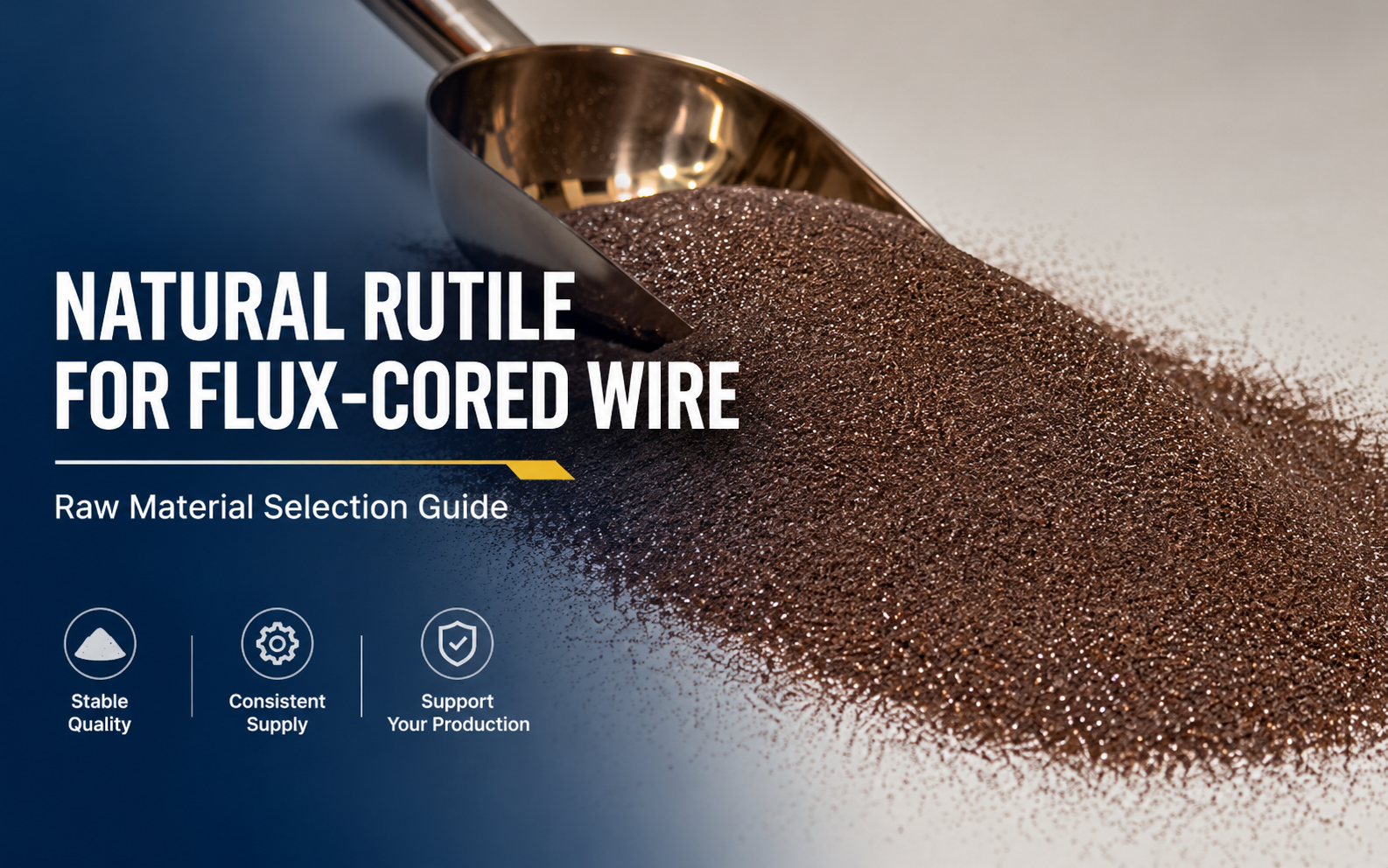
Improve Electrode Quality with Stable 95% Rutile Sand
The quality of rutile sand plays a critical role in welding electrode production. Even when the formulation is well designed, poor-quality rutile sand can lead to unstable production, inconsistent welding performance, and increased manufacturing costs.
For manufacturers producing E6013 and other rutile-coated electrodes, selecting a stable rutile sand supplier is just as important as optimizing the production process.
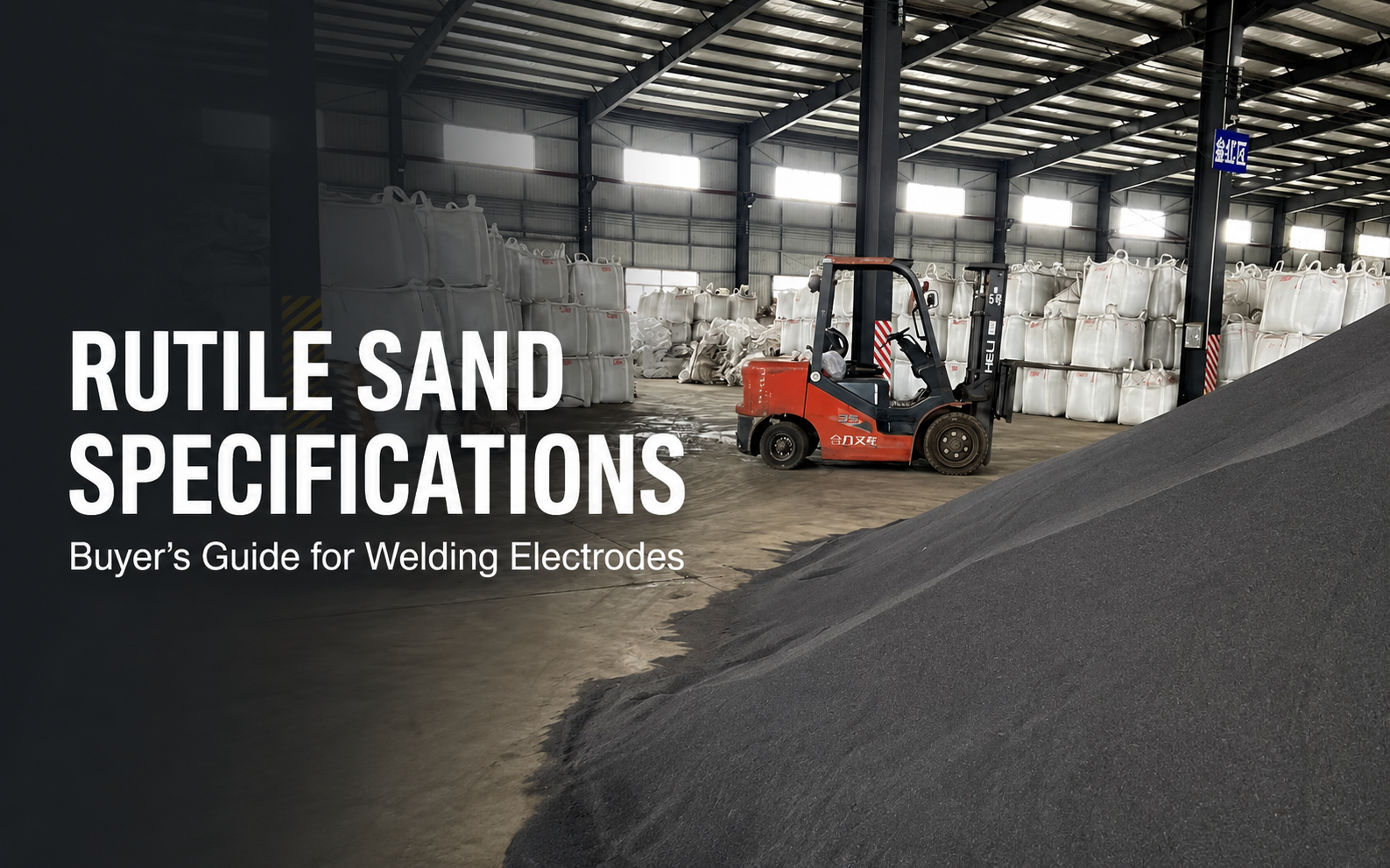
If you would like to understand the standard specifications used in welding electrode production, please read our 95% Rutile Sand Specification for Welding Electrodes.
1. Coating Cracks During Production
Poor particle size distribution or excessive moisture may cause coating cracks during extrusion and drying. This often increases rejection rates and production downtime.
Using rutile sand with stable particle size helps improve coating consistency.
You can also learn how particle size affects production efficiency in How Particle Size Distribution Affects Rutile Sand Performance in Welding Electrodes.
2. Unstable Welding Arc
Variations in TiO₂ purity and impurities may result in unstable arc characteristics.
High-quality rutile sand provides:
Smooth arc ignition
Stable arc during welding
Better welding efficiency
3. Excessive Spatter
Low-grade rutile sand often contains more unwanted minerals that negatively affect slag formation.
This may lead to:
More spatter
Difficult slag removal
Poor bead appearance
4. Inconsistent Electrode Quality
Different raw material batches may produce different welding results.
Maintaining consistent chemical composition allows manufacturers to achieve:
Stable production
Consistent coating quality
Reliable welding performance
5. Increased Manufacturing Cost
Poor raw materials may appear less expensive but often increase:
Material waste
Production interruptions
Customer complaints
Quality control costs
Selecting reliable rutile sand can reduce the total manufacturing cost over the long term.
For more purchasing advice, see How to Choose Rutile Sand for Welding Electrode Production.
Choosing the Right Rutile Sand Supplier
When selecting rutile sand, manufacturers should evaluate:
TiO₂ content
Chemical consistency
Particle size distribution
Moisture control
Stable supply capability
Export experience
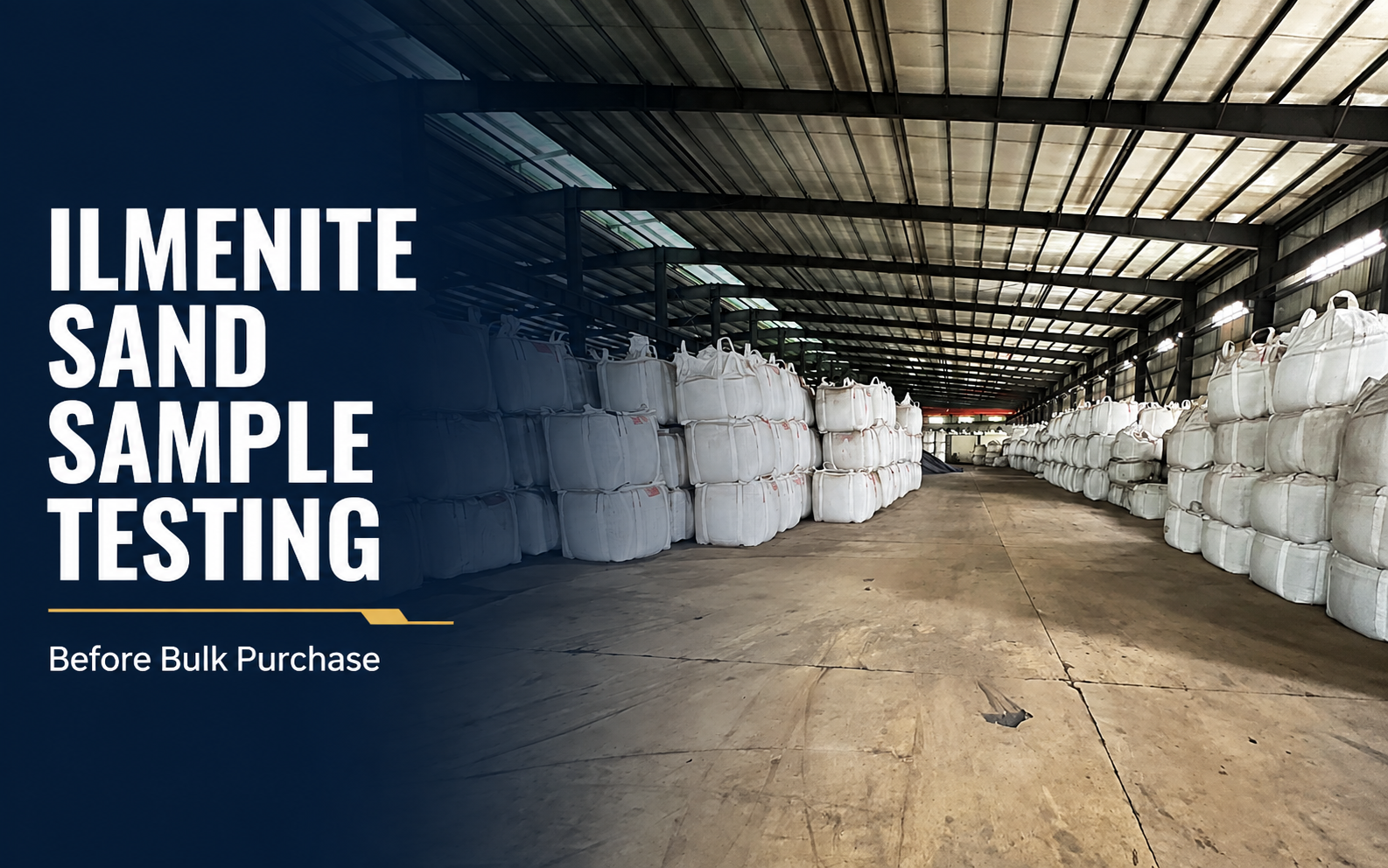
Reliable suppliers should also provide COA, packing photos, and consistent quality documentation.
Our Rutile Sand Solution
Hebei Maosheng Zirconium Titanium New Material Technology Co., Ltd. supplies high-quality rutile sand for welding electrode manufacturers worldwide.
Our advantages include:
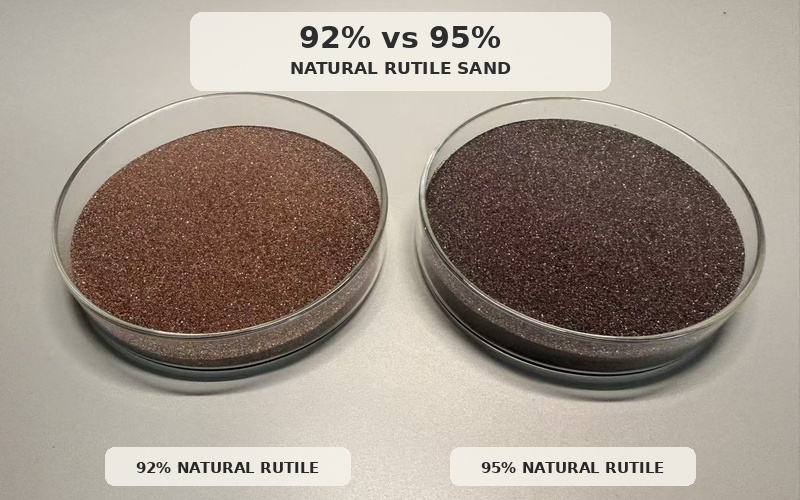
TiO₂ up to 95%
Stable chemical composition
Uniform particle size
1 MT jumbo bag packing
Export experience to Asia and other international markets
We welcome inquiries from welding electrode manufacturers looking for stable long-term raw material partners.